Choosing the Right Thread for Different Shoes
When people discuss shoes, they are largely talking about design, comfort, sole, material, or style. But one small thing also does a very big job. That is thread.
Thread may look like a tiny part of the shoe, but it helps hold the full product together. If the thread is weak, the shoe may open, tear, or lose shape early. If the thread is right, the shoe stays strong and looks neat for longer time.
Different shoes need different threads, like polyester sewing thread, nylon sewing thread, etc. Sneakers, safety boots, and formal shoes are not made for the same use. So, the thread also should not be same for all.
Why thread choice matters in footwear
A shoe goes through many things every day. It bends. It rubs. It gets pulled. It faces dust, water, heat, and pressure. In some shoes, the movement is too much. In some, the weight is more. In some, the look matters most.
That means the thread must match the job.
Good thread helps in:
→ strong stitching
→ better shoe life
→ clean look
→ less breakage
→ smooth production
→ better customer trust
If thread is not chosen properly, even a good shoe material can fail.
Thread for sneakers
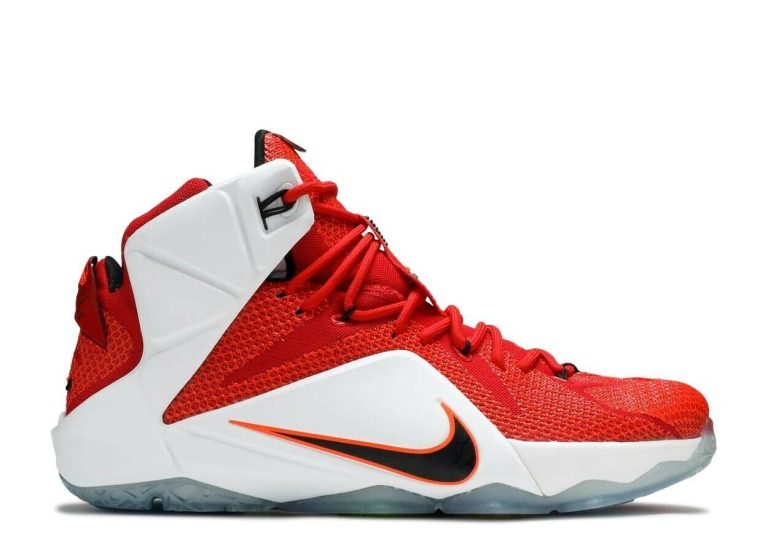
Sneakers are made for daily movement. People walk, run, jump, travel, and use them for long hours. So sneakers need thread that can handle flexing again and again.
The thread for sneakers should be strong, but also a little flexible. If it is too stiff, stitching area may get stress. If it is too weak, seams may open after regular use.
Sneakers also have different materials like mesh, synthetic, knit, foam, and rubber parts. So the thread must work well with these materials.
For sneakers, good thread should have:
→ good strength
→ smooth finish
→ flexibility
→ resistance to rubbing
→ nice look in visible stitches
In many sneaker designs, stitching can also be seen from outside. So thread colour also matters. It should match the shoe design and stay looking fresh.
If a sports shoe is used in outdoor conditions, then thread should also handle little moisture and rough use. That makes the shoe last better.
Thread for safety boots
Safety boots differ from sneakers as they are subjected in hard places like factories, construction sites, workshops, mines, and industrial areas. So these kind of shoes go through a lot of pressure.
Safety boots carry weight. They face dirt, heat, oil, friction, and rough ground. In this type of footwear, thread must be extra strong and dependable.
Here, fashion is not the first thing. Strength and safety come first.
Thread used in safety boots should offer:
→ high strength
→ strong seam hold
→ better resistance to wear
→ support under tough conditions
→ longer performance life
Safety boots are often made with thick leather or heavy materials. Thick material needs the correct thread size too. If thread is too thin, it may not hold properly. If it is too thick, stitching may become bulky or rough.
That is why balance is important.
In safety boots, thread should also support heavy-duty stitching in areas like upper joining, tongue, side panels, and sole attachment zones. These parts face a lot of pressure in daily work.
A strong boot is not only about hard sole or steel toe. The stitching also must stay tight. If seams start opening, the full boot performance goes down.
Thread for formal shoes
Formal shoes are made for neatness, style, and clean finish. Though not for rough use, they also need strong stitching.
Formal shoes are often used in offices, meetings, events, and daily work wear. People notice their look closely. So the thread should not only be strong, but also fine and clean in appearance.
In formal shoes, thread should give:
→ neat stitches
→ elegant finish
→ enough strength for regular use
→ proper colour matching
→ smooth sewing performance
Formal shoes are typically made of leather and if the stitching is crooked, thick, or rough, the whole shoe begins to look less premium.
That is why thread selection in formal shoes is also very important.
The thread should run well during stitching and create a balanced seam. It should not spoil the shape of the upper. It should hold parts nicely while keeping the finish refined.
For formal footwear, small details matter a lot. Even the stitch line adds to the beauty of the shoe.
Things to check before choosing footwear thread
Before selecting thread for any shoe, manufacturers should check a few simple things.
- Type of shoe
First understand the use of the shoe. Is it for sports, work, or fashion? This decides the thread need.
- Material used
Mesh, leather, synthetic, canvas, and heavy industrial materials all behave differently. Thread should suit the upper material.
- Strength needed
Heavy-use shoes need stronger thread. Light-use shoes may need a more balanced option.
- Stitch appearance
Some shoes need hidden seams. Some need decorative stitching. So the look of the thread also matters.
- Durability
The thread should last with the shoe. It should not become the weak point.
- Sewing performance
A good thread should run smooth on machines. This helps in better speed and less production trouble.
One thread cannot fit all shoes
This is the most important thing to understand. One thread cannot give best result for every footwear type.
Sneakers need movement support.
Safety boots need heavy strength.
Formal shoes need neat and smart finish.
So, thread choice should always depend on product need.
When manufacturers choose thread carefully, they improve both quality and customer satisfaction. The shoe looks better, works better, and lasts longer too.
Final words
Thread may be small, but its role in footwear is very big. It supports the full shoe from inside and outside. Good thread helps keep the shoe strong, comfortable, and presentable.
For sneakers, focus on flexibility and daily performance.
For safety boots, focus on strength and tough use.
For formal shoes, focus on clean finish and reliable hold.
Choosing the right thread is not a small decision. It is a smart one.